

Nonprofit institutions today are facing a host of new and complex challenges that require a new level of innovation at the highest levels. For organizations that can adapt, this moment is an opportunity to reimagine what leadership looks like.
As institutions increasingly invest in digital transformation, data-driven fundraising, and new models of philanthropy, the talent marketplace is signaling that the supply of traditional candidates is under pressure.
In one recent report from the Association of Executive Search and Leadership Consultants, nearly 60 percent of employers said bringing in new skills and capabilities was their key driver for seeking new leadership and over half are looking for those skills outside their organization. Changing funding patterns, evolving community needs, and rapidly accelerating technology mean that traditional leadership pipelines may no longer be producing the right talent for this critical moment.
With those trends in mind, opening the lens of “qualified leadership” to include diverse pathways has become both strategic and urgent.
Institutions are evolving. Hiring the same way we always have won’t get us where we’re trying to go.
— Dexter Bailey
Qualifications traditionally defined by years of experience in a particular industry, a certain credential set, and a familiar network are no longer sufficient in and of themselves. Leaders are being called on to anticipate change, mobilize new constituencies, forge partnerships across sectors, and drive institutional influence in novel ways.
To meet their ambitious goals while maintaining an alignment between culture and purpose, institutions are finding it necessary to consider nontraditional talent and the new perspectives, skills, and energy they bring.
Consider two voices that illustrate how this shift is playing out in practice.
Dexter Bailey, Vice President for Advancement and Alumni Relations at Caltech, builds teams that extend beyond traditional credentialing, targeting core competencies drawn from sectors like tech and healthcare. Meanwhile, David Bennett, Vice President for University Advancement with Carnegie Mellon University, is a leader who himself became a nontraditional hire and now champions inclusive talent strategies.
Together, their experiences illuminate how institutions can create the conditions for transformative leadership by rethinking who belongs at the table and how we prepare them to thrive.
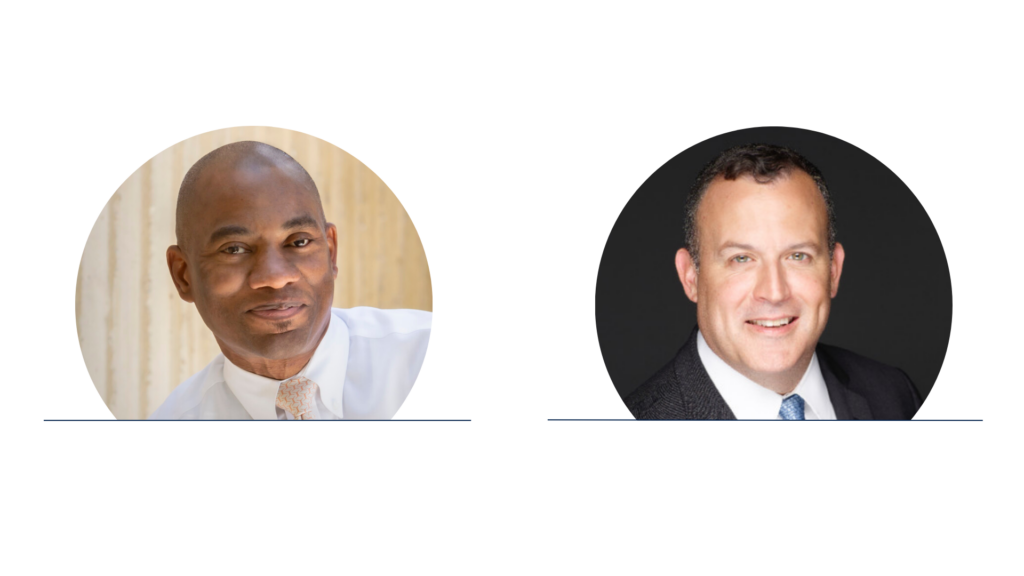
Bailey’s approach begins with organizational needs rather than the field’s past practices. He asks what the institution requires now in areas like data analytics, business intelligence, or donor/customer engagement. Then he looks to the sectors where the relevant skills are available.
“Institutions are evolving,” Bailey says. “Leadership has to evolve with them. Hiring the same way we always have won’t get us where we’re trying to go.”
Bennett’s story mirrors Bailey’s, but from the candidate side. Hired from outside a traditional higher education field, his value was rooted less in replicating best practices and more in entrepreneurial thinking and reframing the role.
“I didn’t step into a traditional philanthropy role,” he recalls. “I stepped into what felt much more like a startup. We were focused on building something new rather than replicating best practices.”
These approaches reflect what Lindauer envisions as the next generation of advancement leadership, one shaped by promise, skills, and by the ability to bridge cultures, systems, and lived experience.
Leaders like Dexter Bailey and David Bennett understand that hiring nontraditional talent demands curiosity, humility, and alignment with mission, in both the organization and the candidate. The institutions that will lead tomorrow understand that true alignment between culture and purpose begins with who we invite to lead.
More on Transferable Skills
Expand your thinking on recruiting, retaining, and engaging talent.